
Denali is a bucket-list RV trip — six million acres of tundra, the highest peak in North America, and wildlife you watch from the road. But 2026 is a year where current information matters more than usual, because the Park Road isn't open all the way through. Plan around that reality and Denali is still a tremendous trip; plan from a stale guide and you'll be surprised at the gate. So this one leads with what's actually true this season, then maps it to an RV trip.
The short version:
- In 2026, the Denali Park Road is open only to about Mile 43 due to the Pretty Rocks landslide repair; private vehicles reach roughly Mile 15, and buses go as far as Mile 43.
- RV camping is at Riley Creek, Savage River, and Teklanika; Sanctuary and Igloo Creek are tent or bus-only, and Wonder Lake is closed for the 2026 season.
- No Denali campground has electric or water hookups, and the maximum RV length is 40 feet.
- Reserve ahead through reservedenali.com; June and July are the first-timer sweet spot.
- "Camp Denali" is a private wilderness lodge, not a park campground — don't confuse the two.
Can you take an RV into Denali in 2026, and how far does the road go?
Yes, you can RV at Denali in 2026, but the Park Road is open only to about Mile 43 this season because of the Pretty Rocks landslide repair — private vehicles reach roughly Mile 15, and buses carry visitors as far as Mile 43. Full bus service across the entire road isn't expected to return until 2027.
Here's what that means in practice. Even in a normal year, private vehicles (including RVs) can only drive to the Savage River area around Mile 15; beyond that, the road has always been bus-access only. The 2026 difference is that the buses themselves stop at Mile 43 rather than continuing to Wonder Lake and the road's end. Renters we talk to are often surprised the Park Road doesn't go all the way through in 2026 — we walk them through basing near the entrance and riding the buses deeper, which still makes for a great trip. You drive the RV to a campground, then explore the interior on the park's transit and tour buses. For orientation before you go, our Denali National Park & Preserve guide lays out the basics.
Which Denali campgrounds take RVs?
Three Denali campgrounds take RVs: Riley Creek near the entrance, Savage River at Mile 13, and Teklanika at Mile 29 deeper in. Sanctuary and Igloo Creek are tent or bus-access only, and Wonder Lake is closed for the entire 2026 season, so those aren't options for a rig this year.
Each has a personality. Riley Creek sits just inside the entrance at Mile 0.25, is open year-round, has nearly 150 sites, and is the only Denali campground with cell coverage — it's the easy, well-connected choice for a first trip, near the visitor center, the mercantile, and the bus depot. Savage River, at Mile 13, is smaller and more remote with about 32 sites, right at the edge of where private vehicles can drive. Teklanika, at Mile 29, sits inside the restricted section of the road; you can drive your RV there, but it comes with a three-night minimum stay because once you're in, you leave the rig parked and use the buses. You can size a Denali National Park RV rental to whichever campground suits your trip.
Do Denali campgrounds have hookups, and what's the max RV size?
No Denali campground has electric or water hookups, and the maximum RV length is 40 feet, so a self-contained rig is the way to go. There's a free RV dump and fill station at the Riley Creek Mercantile for campers staying in the park, and generator hours are limited to 8–10 a.m. and 4–8 p.m. daily.
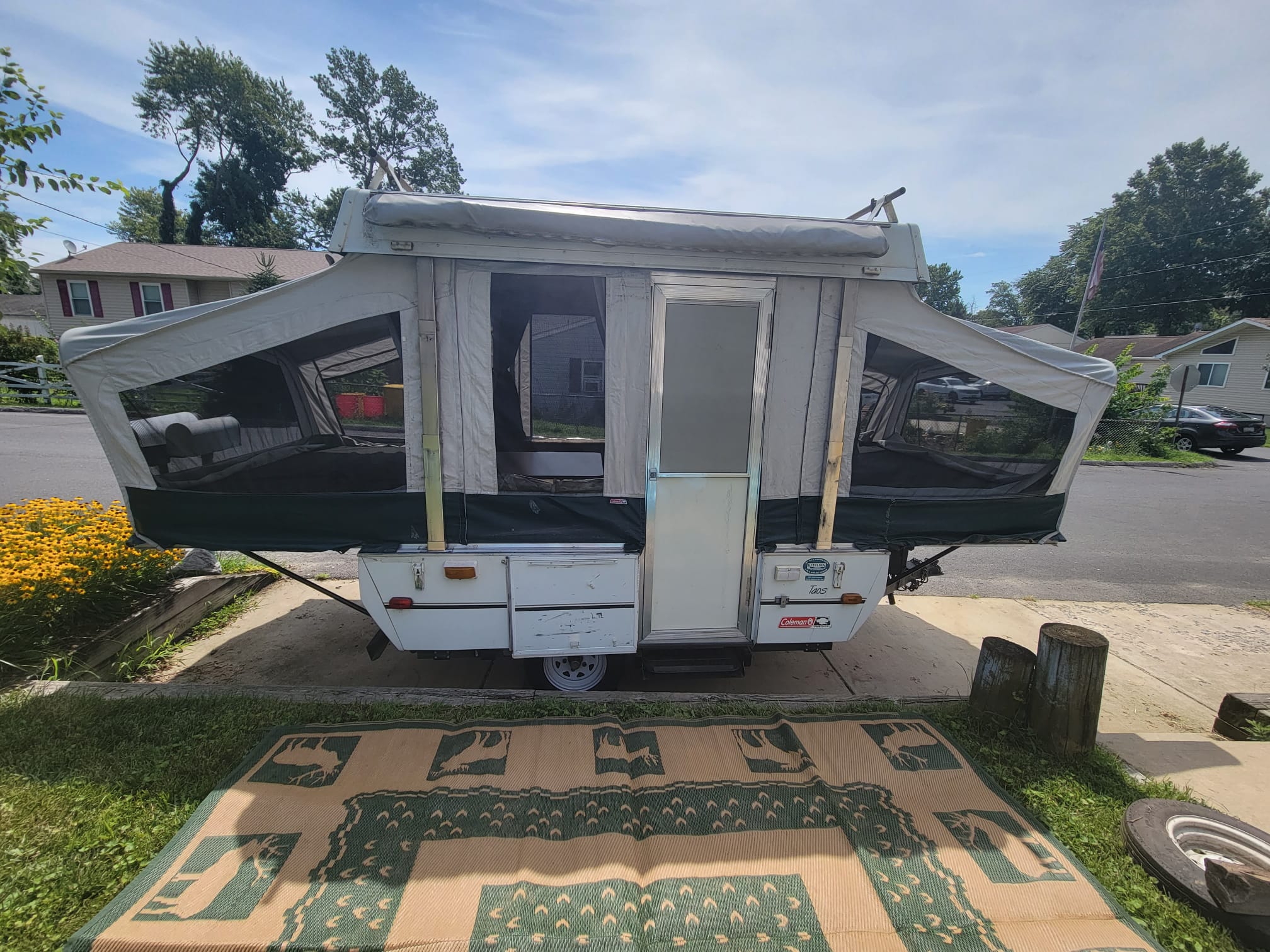
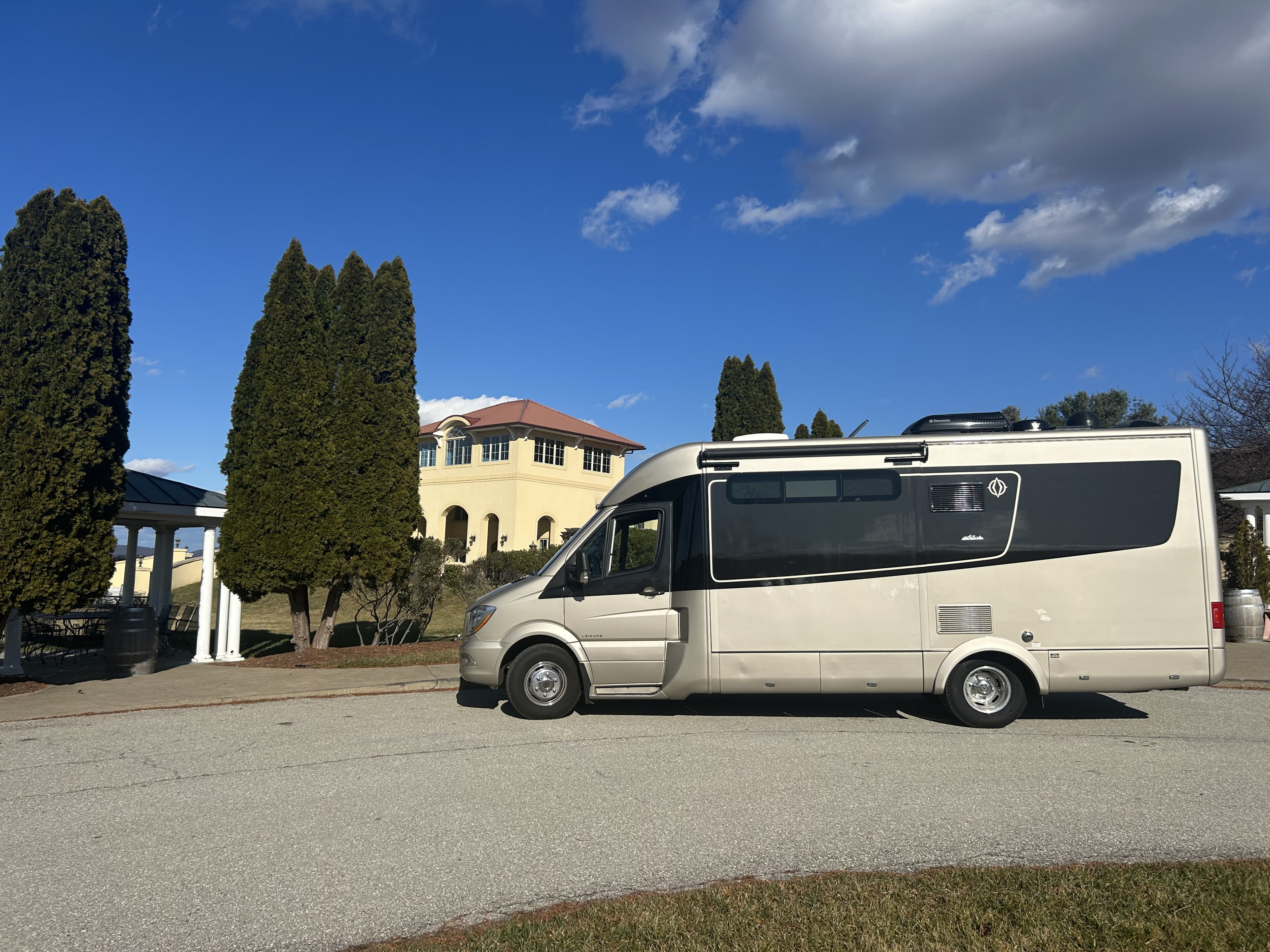
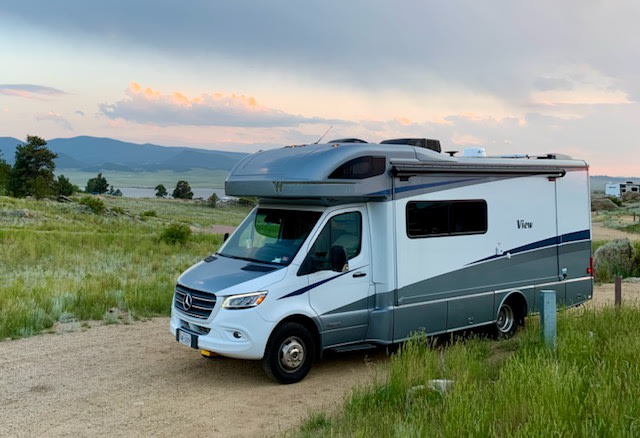
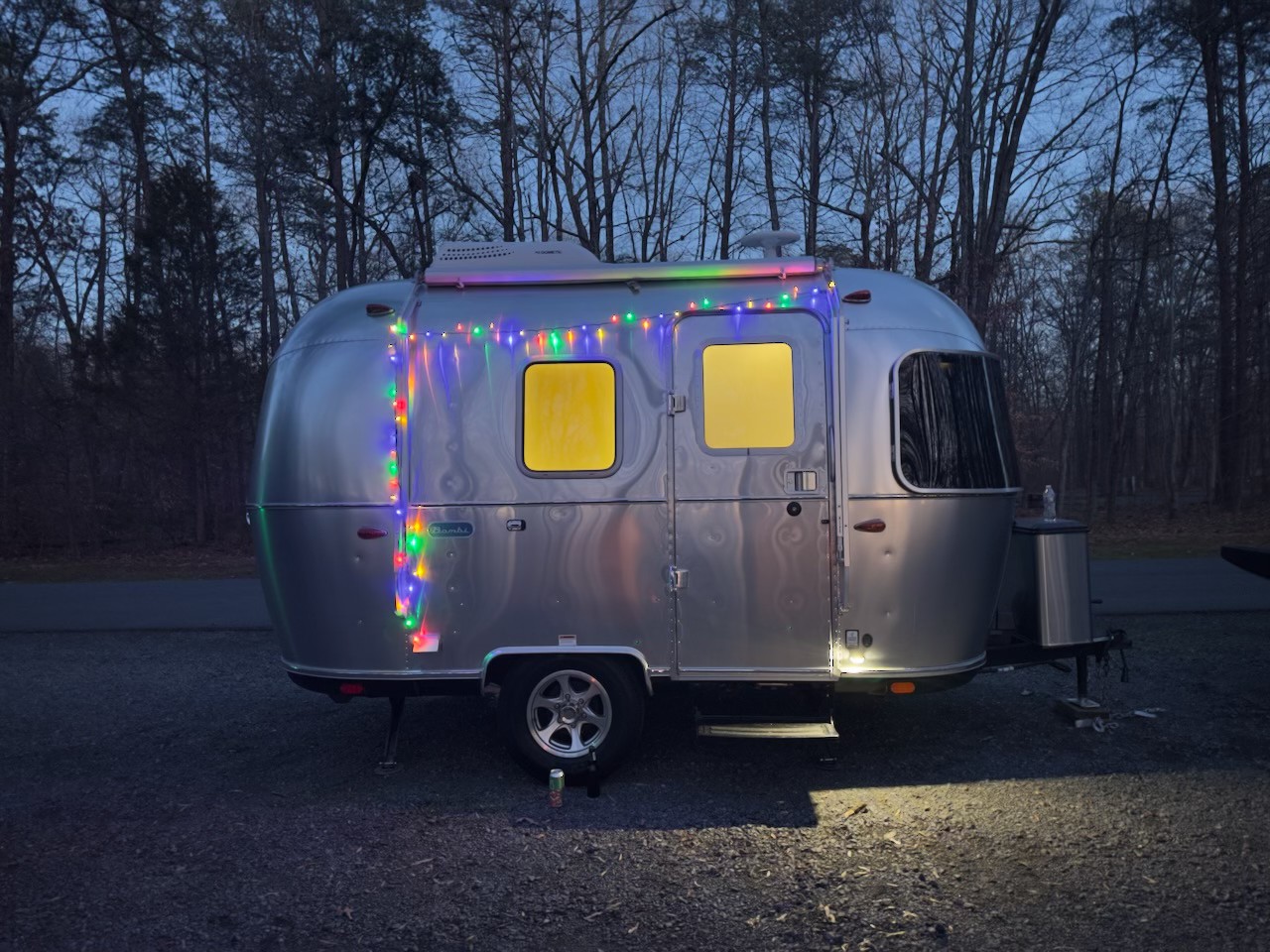
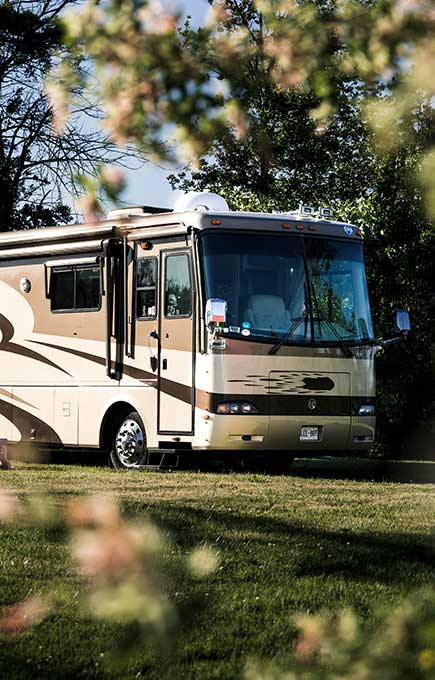
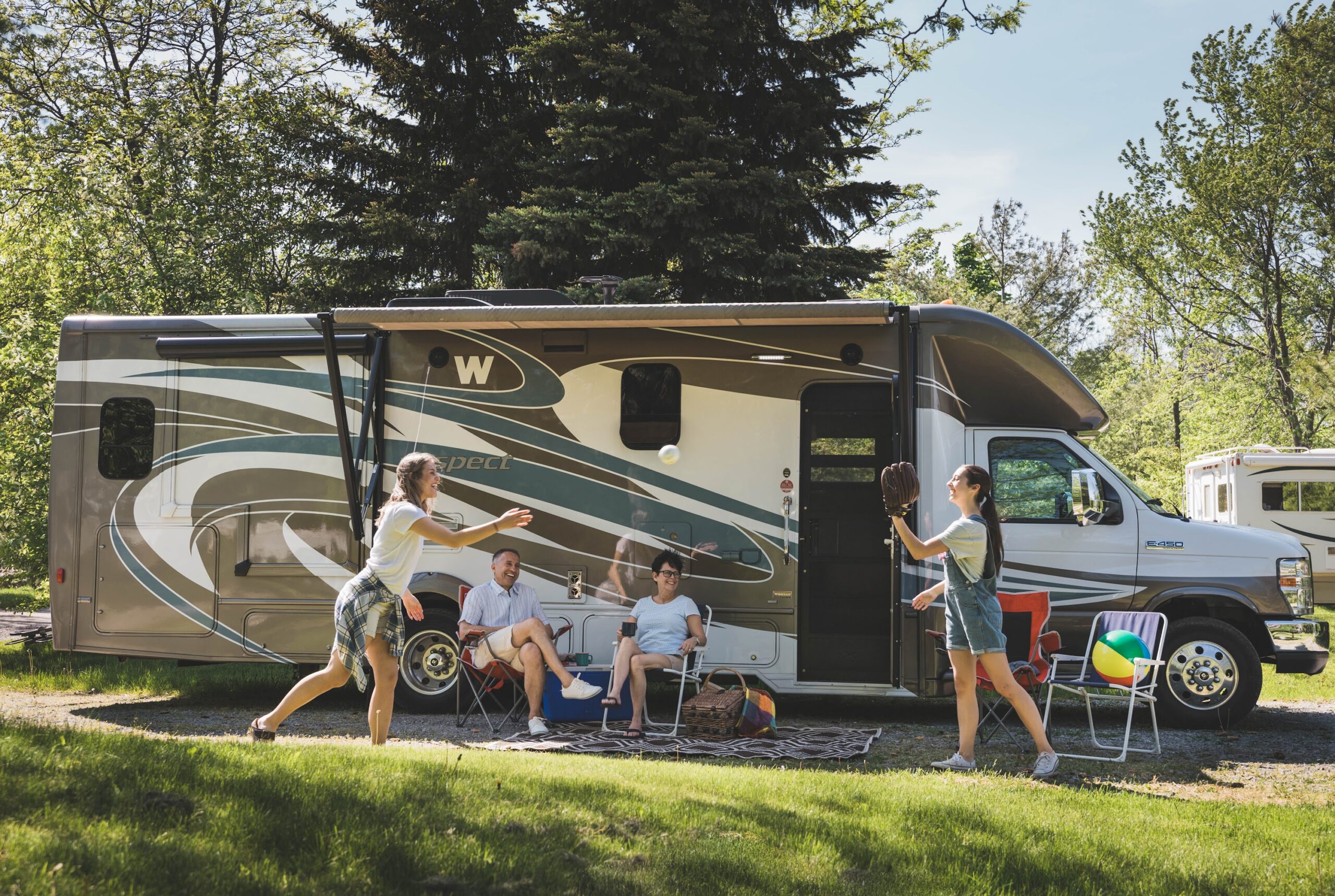
The 40-foot limit applies at Riley Creek, Savage River, and Teklanika. For a vehicle-and-trailer combination the total can exceed 40 feet, but each individual piece — the truck or the trailer on its own — has to be 40 feet or under. We've heard from first-timers who assumed Denali campgrounds had hookups; the ones who rented a self-contained rig under 40 feet never had to think about it. The practical setup is a rig with fresh, gray, and black tanks and a working furnace (Denali nights are cold even in summer), filled up before you arrive and dumped at Riley Creek on the way through. A van or compact motorhome — a self-contained RV under 40 feet — is the most flexible choice.
When should you go, and how far ahead do you reserve?
June and July are the first-timer sweet spot at Denali — the warmest weather, the longest daylight, and full summer bus and campground service — and you should reserve as early as you can through reservedenali.com, where bookings open months ahead. Campground and bus reservations are both strongly recommended rather than left to chance.
Timing shapes the trip. June and July give you the most reliable weather and the best odds of seeing the mountain (it makes its own clouds and hides often), while late August and early September bring fall color, the start of aurora season, and thinner crowds with cooler, less predictable weather. Whenever you go, book ahead: Denali's RV-capable campgrounds, especially Riley Creek, fill for peak summer dates, and the deeper Teklanika sites with their three-night minimum are limited. If you're folding Denali into a bigger loop, our guide to planning a wider Alaska RV trip covers routing, cost, and one-way options from Anchorage and Fairbanks.
What's the best RV setup for Denali, and what about full hookups?
The best Denali setup is a self-contained rig 40 feet or under for camping inside the park, or a larger rig based at a private full-hookup park near the entrance with bus days into the interior. Which you choose comes down to whether sleeping inside the park or having full hookups matters more.
Camping inside at Riley Creek, Savage River, or Teklanika puts you in the park itself, dry-camping with the dump station and the bus depot close at hand. Renters we talk to who based at Riley Creek for a first Denali trip tell us the entrance-side convenience — cell coverage, the mercantile, the bus depot — was worth more than chasing a deeper site. If you'd rather have power, water, and sewer, the private RV parks clustered near the park entrance and in nearby Healy offer full hookups, and you ride the park buses in for the day. Owners near the park entrance tell us a lot of renters mix it up — a few nights inside at Riley Creek, then a full-hookup park outside to recharge. You can pick up a rig in Anchorage to the south or Fairbanks, the north Denali gateway, and the wider selection is on the Alaska RV rentals hub. If driving a big rig north isn't your idea of a vacation, having one delivered to a base park near the entrance is the no-drive alternative.
One last point that trips people up: "Camp Denali" is a private wilderness lodge deep in the park, not a campground or a place you can drive an RV. If you're searching for camping in Denali National Park, the park campgrounds above — not the lodge — are what you want.
Key takeaways
- In 2026 the Park Road reaches about Mile 43 (Pretty Rocks repair); private vehicles to ~Mile 15, buses to Mile 43, full service expected back in 2027.
- Three campgrounds take RVs — Riley Creek (entrance), Savage River (Mile 13), Teklanika (Mile 29, 3-night minimum). Wonder Lake is closed for 2026.
- No hookups anywhere; 40-foot max. There's a free dump/fill station at Riley Creek, and generator hours are limited.
- Reserve early via reservedenali.com; June–July is the sweet spot.
- "Camp Denali" is a private lodge, not a park campground — don't confuse the two.
About this guide
This guide was prepared by the Outdoorsy editorial team. The 2026 Park Road status, campground details, RV length and hookup rules, and reservation information were verified in June 2026 against primary National Park Service sources — the Denali campgrounds page and current conditions / road status — and cross-checked against reservedenali.com. Denali's road status and closures change — confirm current conditions before you travel.