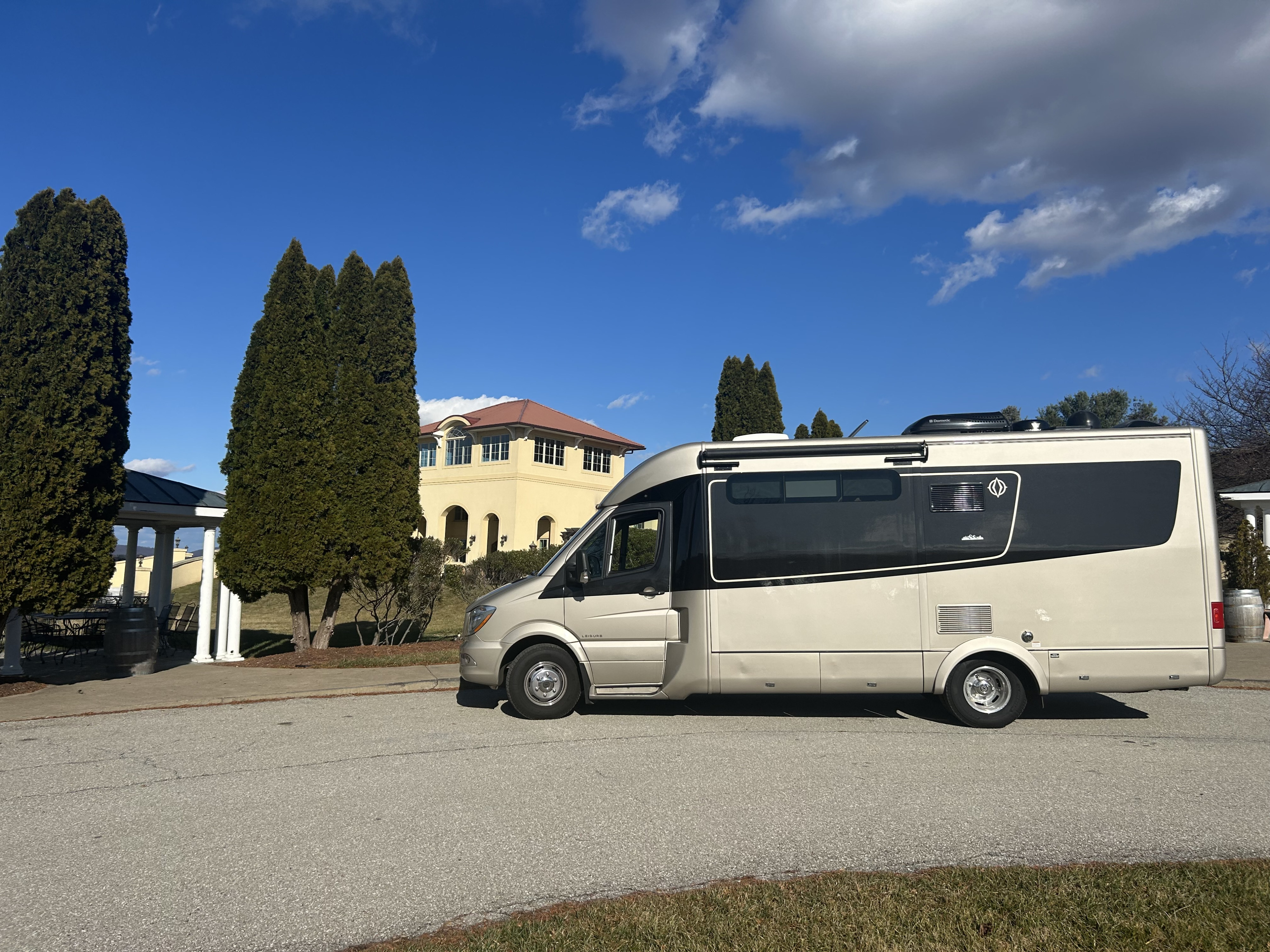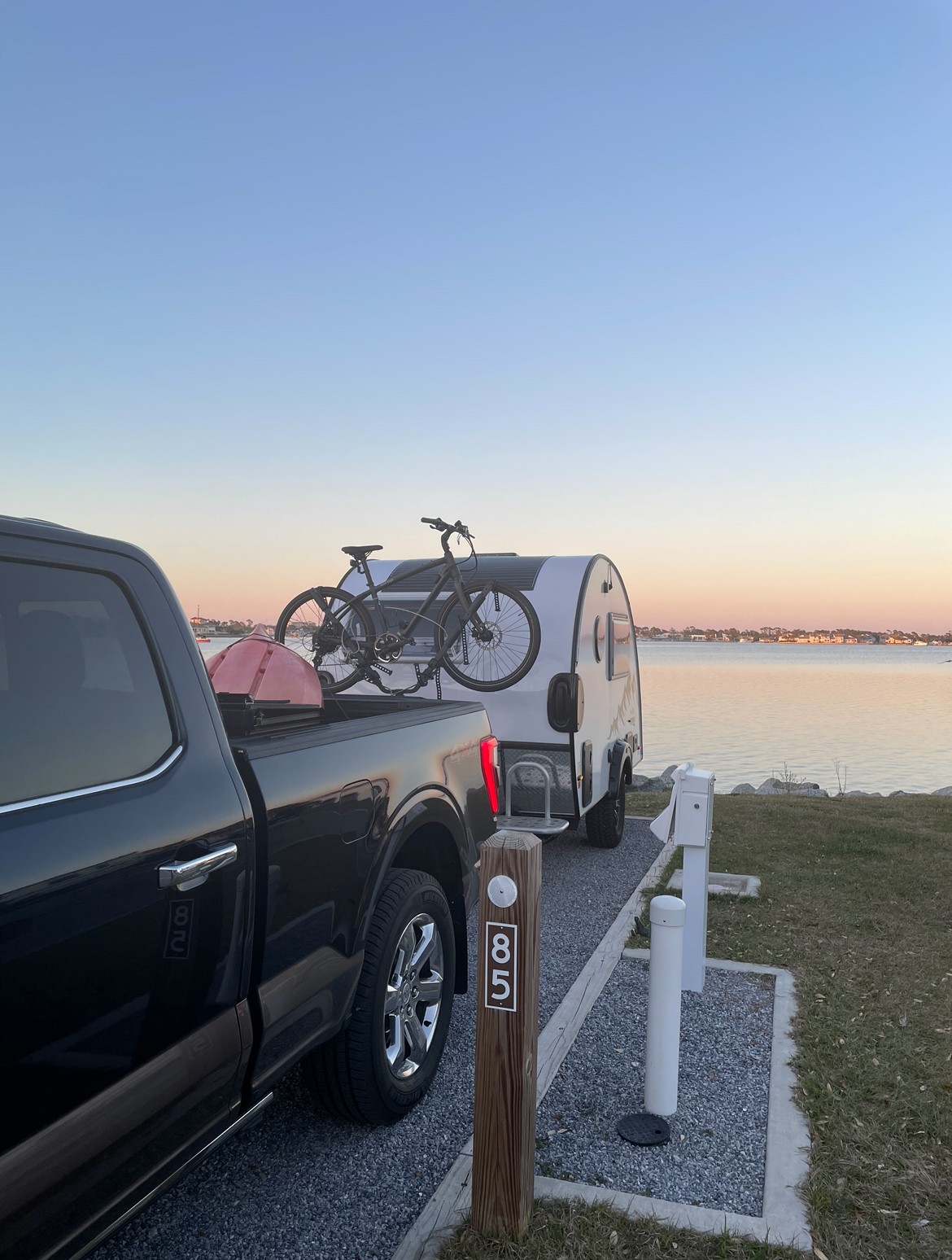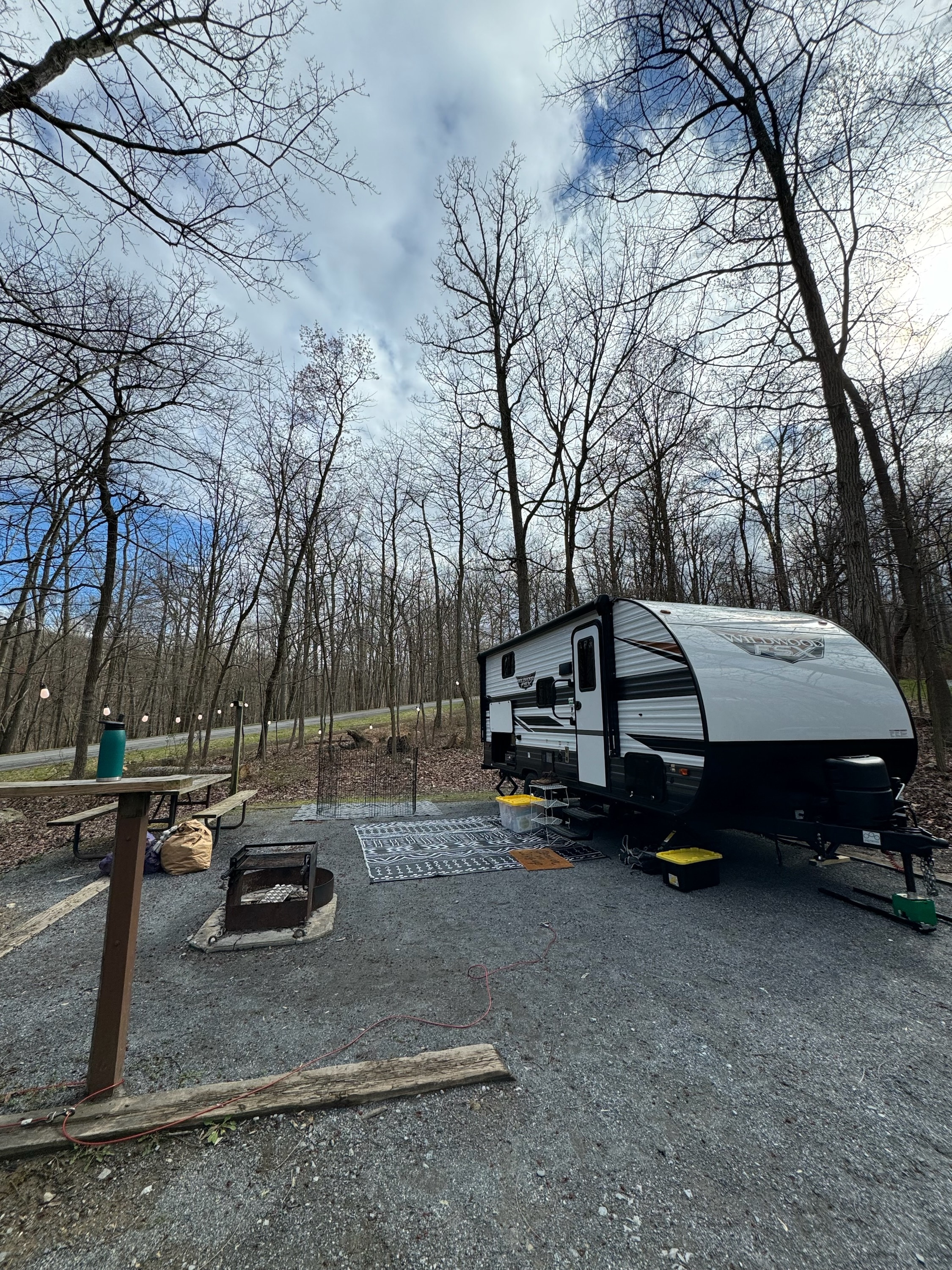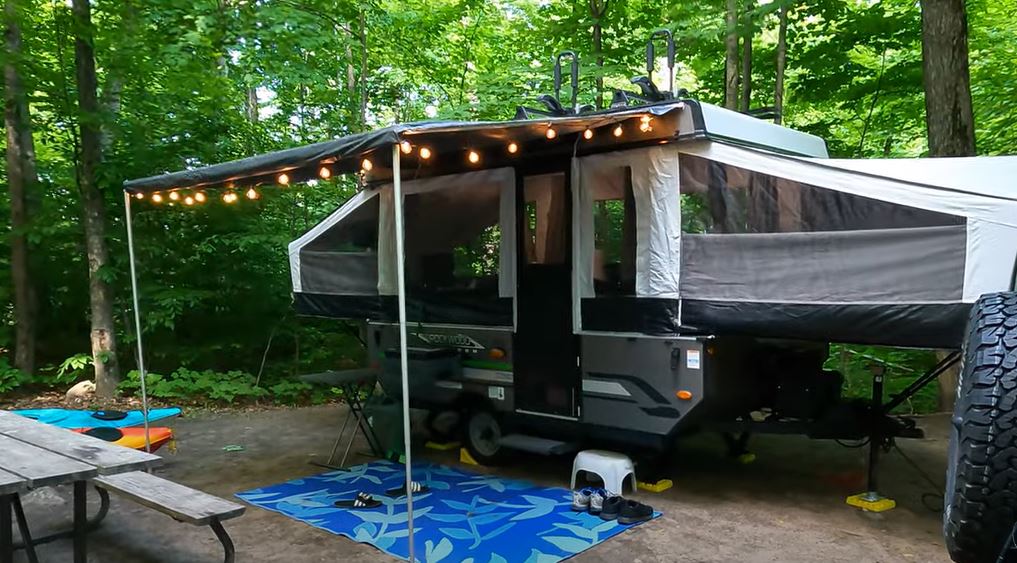



To travel south for the winter in your RV, pick your destination and interstate corridor, leave before the first hard freeze back home, book state park sites months ahead, protect your plumbing on cold travel days, drive in daylight, and check road closures before any mountain leg. Then slow down and enjoy the warmer miles.
As Father Winter sets in, heading south in your camper offers a chance to embrace RVing while escaping the chilly northern temperatures.
Winter can be an ideal season for RV travel, provided you pick the right places and pack the right stuff. The South offers pleasant weather and epically awesome outdoor activities. Many Southern beaches are also spectacular locales to keep the warm weather with you while beating the crowds of busier waters.
That's why we put together this guide with the top tips and places to go RVing this winter. Dig in for a step-by-step plan, essential winter RVing tips, and sample itineraries to some of the best southern destinations.
Traveling south for winter at a glance
- Leave early: clear the northern states before your first hard freeze, and keep a weather day or two in reserve.
- Book ahead: Florida State Parks open campsites 10–11 months out, and Texas State Parks about five months out.
- Mountain roads close: sections of the Blue Ridge Parkway, Skyline Drive, and Smokies roads shut for snow and ice.
- Protect your plumbing: freezing nights still happen across much of the South.
- Pick a route: seven sample itineraries below run from Virginia's mountains to Key West.
How do you plan an RV trip south for the winter?
Planning the drive south works a lot like planning any RV road trip, with a few winter twists. Here's the order we'd tackle it in:
- Pick your destination, then your corridor. Decide where you'll spend the coldest weeks — our guide to the best destinations for winter RVing is a good place to start — then work backward to the route. Travelers from the Northeast typically follow I-95 down the coast, Midwesterners usually take I-75 or I-65 toward Florida and the Gulf, and folks from the central states head down I-35 toward Texas. I-10 ties the Gulf Coast together from Florida to Texas. Planning to stay put for months? Read up on moving your RV south for the winter.
- Leave before the first hard freeze. The easiest drives south happen before snow and ice settle into the northern states. Many RVers roll out in November and make a holiday of it — here are some trip ideas for Thanksgiving break if your timing lines up. In our experience, the RVers who enjoy the drive most are the ones who build in a spare weather day or two instead of racing a storm.
- Book campsites early. Florida State Parks open campsite reservations 11 months ahead for Florida residents and 10 months ahead for everyone else. Texas State Parks take most overnight reservations up to five months out, and day passes for busy parks up to one month out. We've heard from plenty of snowbirds who waited until fall to book a beachfront state park and ended up at a backup campground far from the water.
- Protect your plumbing on cold travel days. The first few nights of the trip are often the coldest. Heat tape and insulated hoses help keep water lines from freezing, and running off your onboard freshwater tank beats leaving a hose connected overnight. If your RV is winterized, wait to de-winterize until you're past the freezing nights — our guide on how to prep your RV for winter covers the basics.
- Drive shorter days, in daylight. Winter daylight is short, so plan legs that get you parked and set up before dusk. Shorter days on the road also leave room for detours. We've seen plenty of RVers find their favorite stop of the trip simply because they pulled off early.
- Check road conditions before mountain legs. Every state publishes road and traffic information, and the Federal Highway Administration keeps state-by-state traffic information links in one place. Mountain routes need the most attention: sections of the 469-mile Blue Ridge Parkway often close to vehicles in winter, and Newfound Gap Road through the Smokies often closes temporarily during winter storms.
- Pack for cold mornings and warm afternoons. Even in the Deep South, a frosty sunrise can turn into a T-shirt afternoon. The layering tips below will keep you comfortable on both ends of the day.
Making the Most of Winter RVing in the South
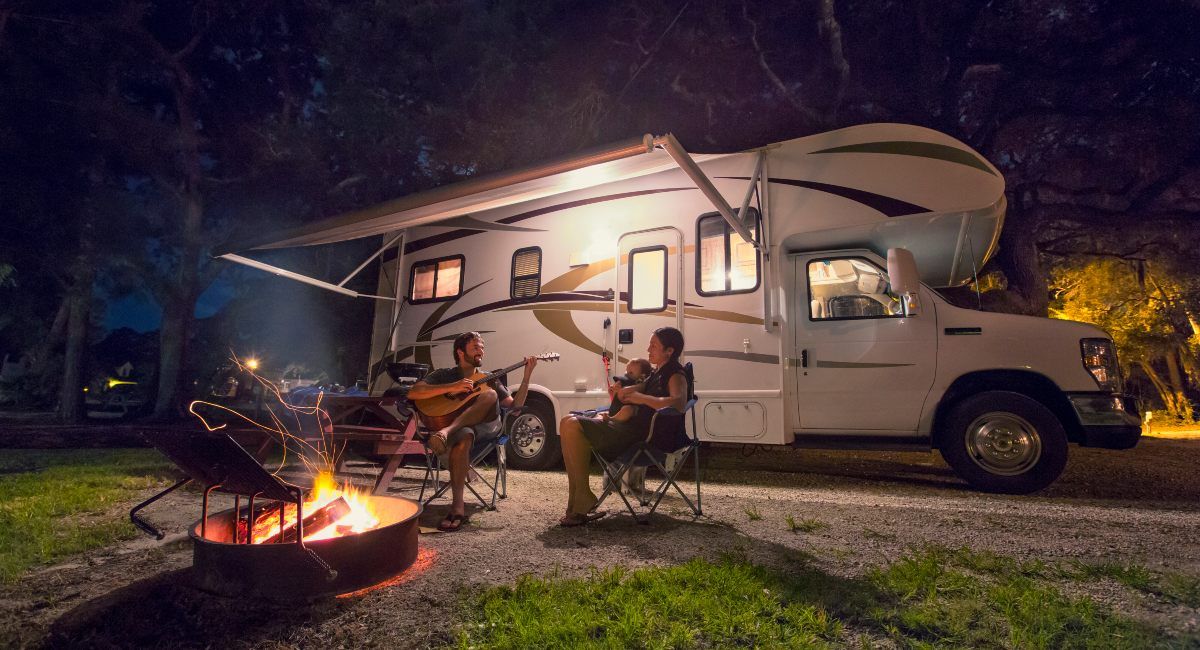
The South is packed with many fun characteristics that make it the place to be when RVing in the winter. Here are tips to make the most of your time there:
Embrace the Scenic Drives
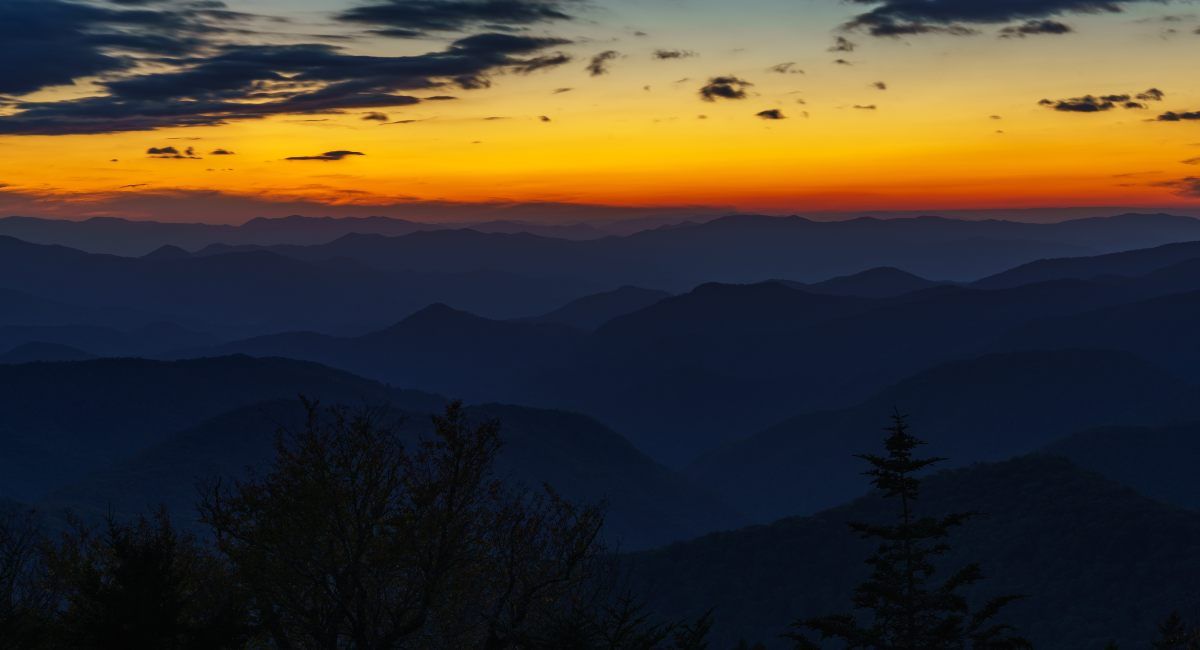
The South has no shortage of breathtaking scenic drives. From the Blue Ridge Parkway to the majestic peaks at Great Smoky Mountains National Park, winter is still a solid time to visit these areas on clear days — just check closures first, since the high roads shut for snow and ice (see the itinerary tips below).
Attend Local Festivals
Many southern towns celebrate winter with festivals ranging from Christmas celebrations to craft fairs and live music. These events offer a great opportunity to taste local produce, meet friendly Southerners, and enjoy the festive atmosphere. Find more ideas in our roundup of RV-friendly winter festivals across the U.S.
The South also has a rich tradition of holiday festivals, especially in areas like Texas Hill Country and the Appalachian Mountains. And few things in life are finer than enjoying a hot cocoa, craft beer, or even some wine when cooler temps set in.
When you roll through here, be sure to visit us at Outdoorsy Hill Country, a luxury glamping retreat in the heart of this part of Texas.
Explore Outdoor Activities
Despite winter, many southern locales still offer great hiking and biking conditions. Many Southern national and state parks offer trails ranging from leisurely strolls to challenging hikes, and mountain biking opportunities abound in the South.
In the South, you don't always have to pack away your kayak or fishing gear. Winter can be an ideal time for water activities if you venture far enough south in the South, with fewer crowds and more comfortable temperatures. Paddle through quiet rivers surrounded by forests, or try your luck at fishing in one of the region's many lakes or coastal waters. Renters we talk to often say a calm winter paddle was the surprise highlight of their trip south.
See why hunting, fishing, and RVing go hand-in-hand.
Savor Hearty Foods
Winter is the season for hearty, comforting foods. Be sure to indulge in the season's flavors, whether it's a bowl of chili, a slice of pumpkin pie, or roasted marshmallows by the campfire. Cooking outdoors with your RV's kitchen or over a campfire adds a special touch to your meals.
Ghost Tours and Haunted Attractions
The South is rich in history and folklore, making it a great place to explore haunted sites. Many towns offer ghost tours, and the historic districts along the coast are a fun place to start.
Stargazing
Stargazing becomes an enchanting evening activity with the cooler, clearer skies of winter combined with The South's tolerable temperatures. Bring a telescope or simply lay back and enjoy the view at a dark-sky campground.
See our guide to Stargazing
Campfire stories
Gather around the campfire and share spooky stories or reminisce about past travels. The crackling fire and crisp air create the perfect setting for a memorable evening.
Read about family-friendly ghost stories to tell in the dark
Connect with Fellow RVers
Many campgrounds host winter-themed events, from potluck dinners to fireplace gatherings. Participating in these activities can enhance your experience and provide a sense of community, even if you're far from home.
Essential Tips for Winter RV Travel
- Plan for Shorter Days — winter brings shorter daylight hours, so plan your driving and activities accordingly. Aim to reach your destination before dusk to set up your campsite in daylight.
- Prepare for Weather Variability — While the South generally enjoys milder winter weather, temperatures can vary significantly, especially in mountainous regions. Pack layers of clothing to stay comfortable in fluctuating conditions.
- Winterize Your RV as Needed — If you're traveling from a colder climate, ensure your RV is winterized to prevent damage from freezing temperatures. Even in the South, nights can dip into freezing, depending on which part you're in. In our experience, the first cold snap of the trip is when a forgotten hose or an unheated wet bay causes trouble.
- Be Aware of Wildlife — Winter is an active time for wildlife, especially in national parks and forested areas. Keep a safe distance when camping, and always be on the lookout when driving.
- P.S. Wildlife viewing opportunities are spectacular in The South. Here are the top places to view wildlife in Florida.
Keeping Warm While Winter RVing
Here are some tips to keep you cozy during your winter RVing adventure:
- Layer your clothing — Dress in layers to quickly adjust your warmth as temperatures change throughout the day. Start with moisture-wicking base layers, add insulating mid-layers, and top it off with a windproof and waterproof outer layer.
- Use a space heater — A small, portable space heater can be a splendid supplement to your RV's primary heater. Read up on electricity basics of your RV to ensure you don't blow a breaker.
- Insulate your RV — Add extra insulation to your windows and doors to keep the cold out. Reflective insulation panels or thermal curtains can help maintain warmth inside your RV.
- Check out our guide to winter camping for more details.
- Warm bedding — Invest in high-quality, warm bedding. Consider packing a heated mattress pad to ensure a comfortable night's sleep.
- Hot beverages and comfort food — winter's the time to indulge in some calorie-rich comfort food, an extra cup o' coffee, and hot cocoa on the regular. It's as tasty as it is practical.
Sample Itineraries for Winter RV Travel in The South
The South offers a huge range of possible itineraries for RVing. Here are some of the most popular:
1. Blue Ridge Parkway: Virginia to North Carolina
- Start: Shenandoah National Park, VA
- End: Great Smoky Mountains National Park, NC
- Highlights: Skyline Drive, Mabry Mill, Mount Mitchell State Park, and Kuwohi, formerly Clingmans Dome.
- Activities: Hiking, scenic drives, and exploring small mountain towns.
- Tips: The Blue Ridge Parkway is renowned for its scenery, but winter is its toughest season. As of early November 2026, the Parkway is closed from NC 80 to Mount Mitchell (mileposts 344.2–355.3) for Hurricane Helene repairs, and Mount Mitchell State Park can close for long stretches in winter. In the Smokies, the road to Kuwohi is open only April 1 through November 29 in 2026, and Skyline Drive can close entirely during winter storms. Taller rigs should know that Parkway tunnel edges clear as little as 11 feet 7 inches. Renters we talk to are often surprised that a road this famous closes in sections every winter, so check the status the morning you drive. Our Shenandoah and Blue Ridge Parkway RV guide has more on the route.
2. Gulf Coast Adventure: Alabama to Florida
- Start: Gulf Shores, AL
- End: Destin, FL
- Highlights: Gulf State Park, Pensacola Beach, Navarre Beach, and Henderson Beach State Park.
- Activities: Beachcombing, fishing, and exploring historic forts.
- Tips: The Southern Gulf Coast enjoys warm weather into winter. Avoid the summer crowds and enjoy the pristine beaches and seafood without the heat. To keep rolling past Destin, our Keys-to-Panhandle Florida road trip maps out the rest of the state.
3. Texas Hill Country: Austin to Fredericksburg
- Start: Austin, TX
- End: Fredericksburg, TX
- Highlights: Pedernales Falls State Park, Enchanted Rock, and Lyndon B. Johnson National Historical Park.
- Activities: Wine tasting, hiking, and exploring charming small towns.
- Tips: The Texas Hill Country is famous for its wineries and German heritage. Stay at Outdoorsy Hill Country for an epic glamping experience with all the amenities of home. Busy state parks like Enchanted Rock can sell out of day passes on weekends, so reserve ahead. Want beach weather instead? Our Texas Gulf Coast winter camping guide covers where to go on the coast.
4. Lowcountry Route: Charleston to Savannah
- Start: Charleston, SC
- End: Savannah, GA
- Highlights: Angel Oak Tree, Beaufort, SC, Hunting Island State Park, and Wormsloe Historic Site.
- Activities: Touring historic plantations, kayaking through marshlands, and enjoying southern cuisine.
- Tips: The Lowcountry offers a unique blend of history, culture, and natural beauty.
5. Ozark Mountains: Arkansas to Missouri
- Start: Hot Springs, AR
- End: Branson, MO
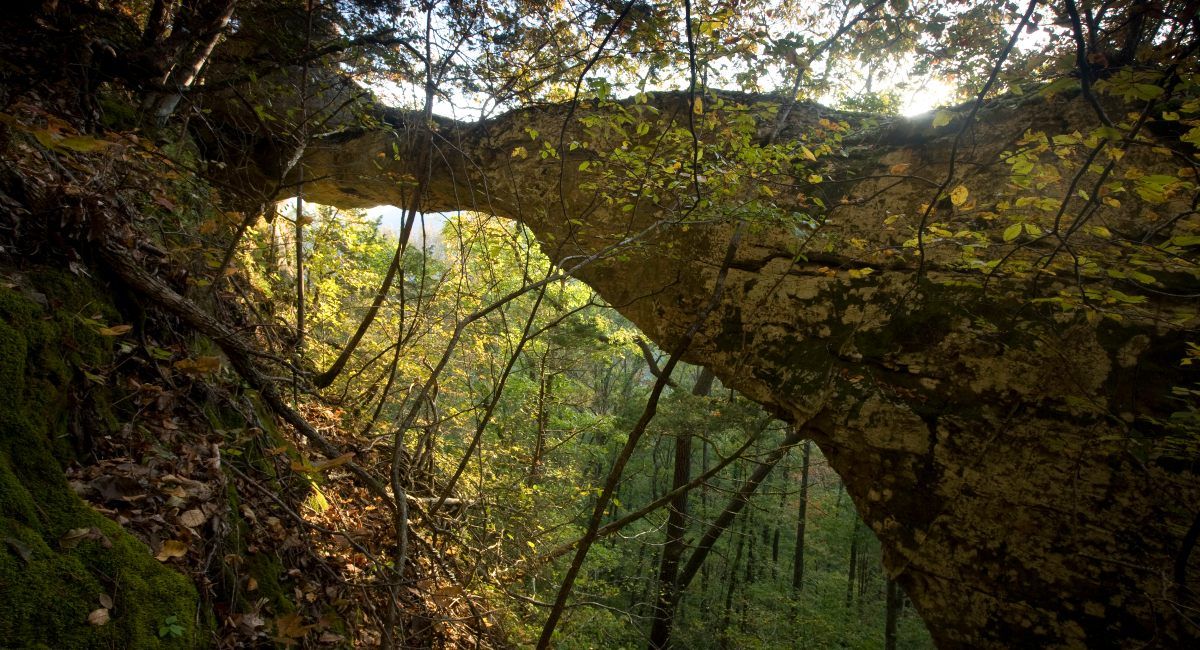
- Highlights: Hot Springs National Park, Buffalo National River, and Table Rock Lake.
- Activities: Hiking, fishing, and attending live shows in Branson.
- Tips: Explore the scenic byways and discover quaint mountain towns. In Hot Springs, Gulpha Gorge Campground has full-hookup sites with 30- and 50-amp electric, water, and sewer. Winter show schedules in Branson vary, so check calendars before you go.
6. Florida Keys: Miami to Key West
- Start: Miami, FL
- End: Key West, FL
- Highlights: Biscayne National Park, Key Largo, Islamorada, Marathon, Bahia Honda State Park, and the Southernmost Point in Key West.
- Activities: Snorkeling, fishing, visiting state parks, exploring historic sites, and enjoying tropical cuisine.
- Tips: The Florida Keys offer warm, tropical weather even in the winter. Drive the Overseas Highway, one of the most scenic drives in the U.S. — it runs 113 miles across 42 bridges from Key Largo to Key West. Stop at the various islands (or "keys") along the way to experience the unique charm and natural beauty of each one. Keys campsites are some of the hardest to get in winter, so book as soon as reservation windows open. We've watched first-timers try to find a Keys site the week before Christmas, and it rarely works out.
- And here's our guide to RV parks in the Florida Keys
7. Georgia Coast: Savannah to St. Simons Island
- Start: Savannah, GA
- End: St. Simons Island, GA
- Highlights: Savannah Historic District, Wormsloe Historic Site, Tybee Island, Jekyll Island, and St. Simons Island.
- Activities: Exploring historic sites, beachcombing, kayaking, bird watching, and enjoying southern cuisine.
- Tips: The Georgia coast is rich in history and natural beauty. Start your journey in the historic city of Savannah, known for its cobblestone streets, antebellum architecture, and moss-draped oaks. Take a side trip to Tybee Island for beach time before heading south to explore the Golden Isles. Jekyll Island offers quiet beaches and fascinating history, while St. Simons Island is known for its charming village and picturesque lighthouse.
Traveling south during the winter in your RV is a fantastic way to enjoy the season while exploring some of the southern U.S.'s best destinations. With proper planning and a sense of adventure, your winter RV trip will be filled with memorable experiences.
Whether you're catching clear-day views along the Blue Ridge Parkway or soaking up the sun on the Gulf Coast, these itineraries and tips will help you make the most of your journey.
About this guide
Originally written by Outdoorsy author Josh Schukman. Updated in November 2026 by the Outdoorsy Editorial team. Facts in this guide were checked against official and primary sources, linked throughout. Winter road closures, campground openings, and reservation rules change often, so check park and road status pages before you drive.