


Let’s skip the part where you get excited about a $125/night listing, click through, and land on a checkout page that says $487 for the weekend. That experience has burned enough people that it’s become a whole Reddit thread genre.
The truth is, RV rental pricing isn’t that complicated once you understand what you’re looking at. It just takes someone being straight with you about all the pieces. That’s what this is.
What the Nightly Rate Actually Covers
The nightly rate is the base cost of the vehicle. Nothing more. Think of it like the sticker price on a hotel room before the resort fee, parking, and taxes show up at checkout. It’s real, it’s the biggest line item, and it’s where your comparison shopping starts — but it’s not where it ends.
Average Nightly Rates by RV Class
These ranges reflect what you’ll typically find on Outdoorsy for a well-maintained rental in decent demand:
| RV Type | Average Nightly Rate |
|---|---|
| Class B (Camper Van) | $100–$175/night |
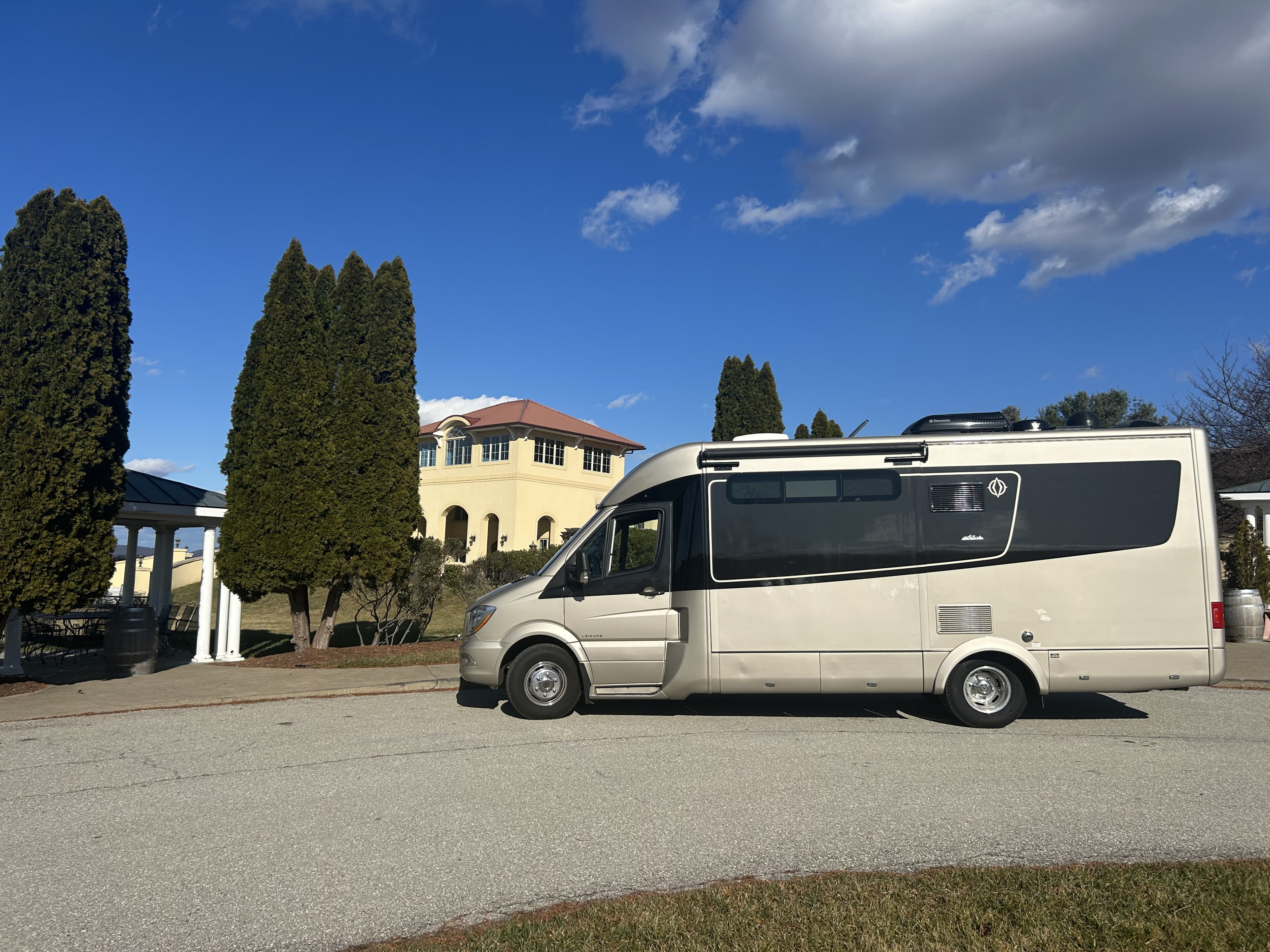
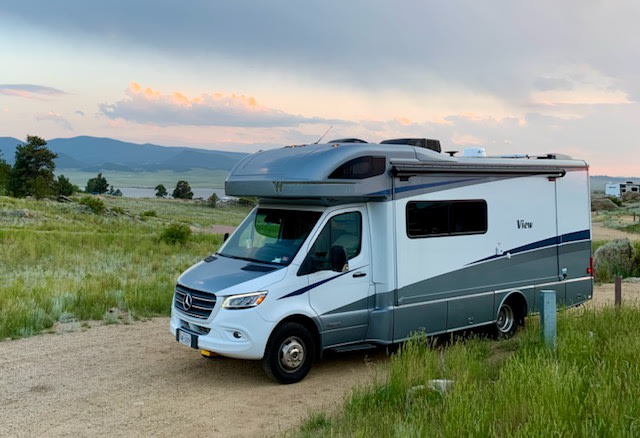
| Class C Motorhome | $150–$250/night |
| Class A Motorhome | $225–$400/night |
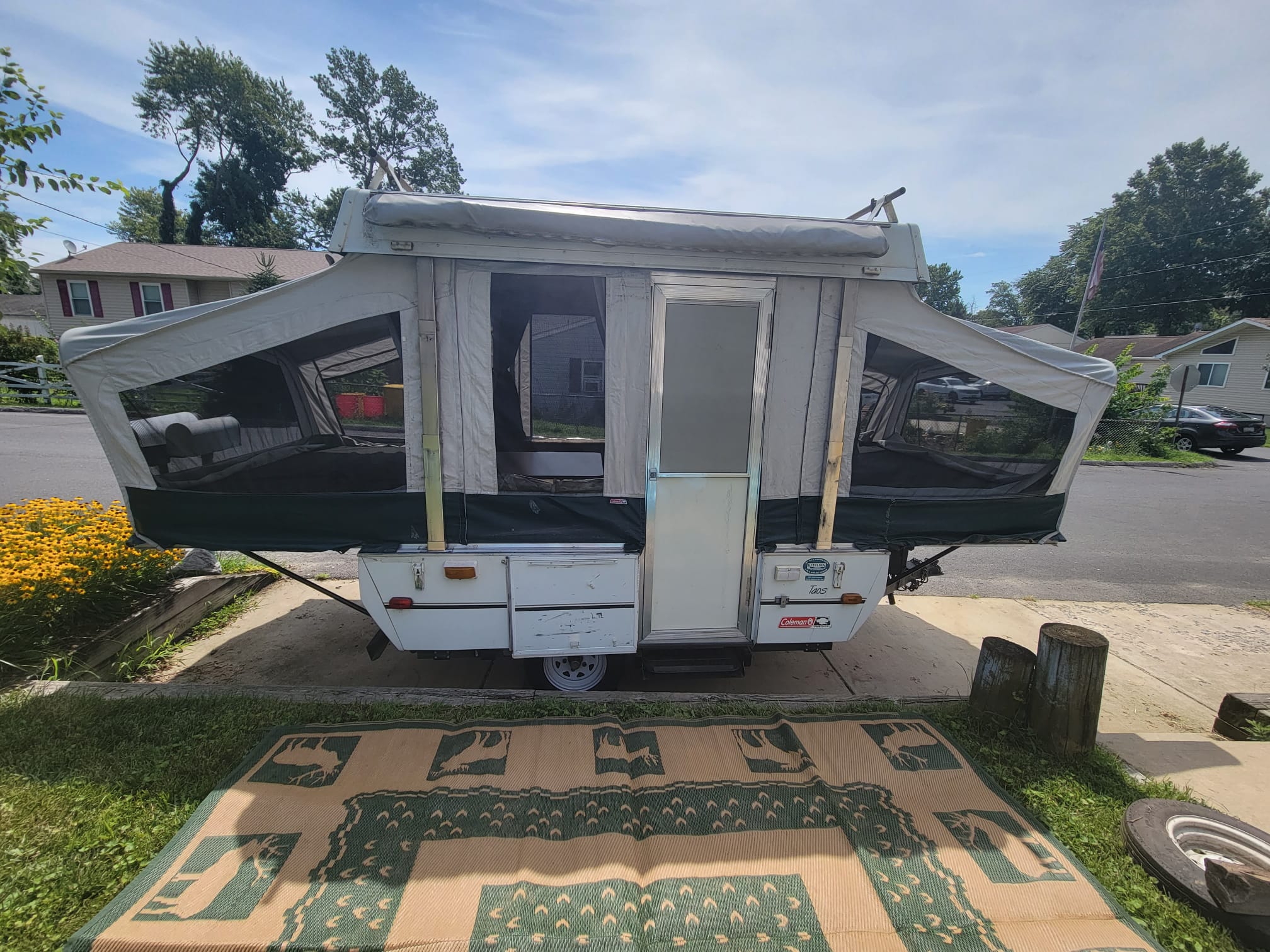
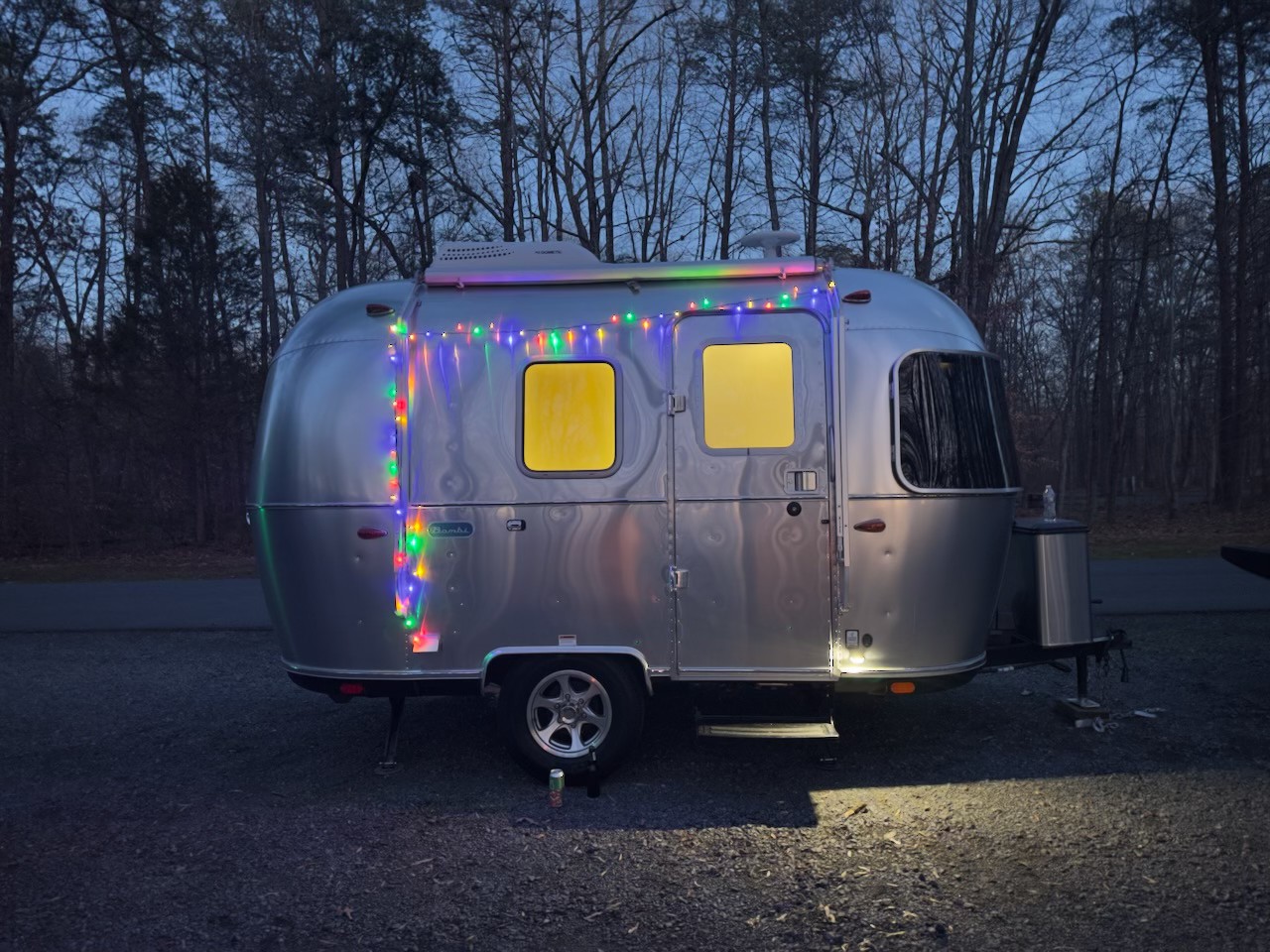
| Travel Trailer | $75–$150/night |
| Fifth Wheel | $100–$175/night |
| Toy Hauler | $125–$200/night |
A few variables move these numbers: the age and condition of the rig, the market you’re renting in (Southern California costs more than rural Arkansas), and the time of year. Summer and holiday weekends push rates up. Late fall and early spring are when the deals live.
The Fees: Honest Accounting
Here’s where people feel misled — not because platforms are trying to deceive them, but because fees are contextual and vary by owner, region, and rental type. Understanding what’s possible means no surprises at checkout.
Service Fee
Outdoorsy charges a service fee on each booking. This covers the platform infrastructure, payment processing, customer support, and the coverage framework that protects both you and the owner. It’s typically calculated as a percentage of the rental subtotal and displayed clearly before you confirm.
Think of it the same way you think about a ticketing fee for a concert. Nobody loves it. Everyone understands why it exists.
Generator Fee
If your RV has a generator — and most do — many owners charge a per-hour or per-day fee for generator use. Common range: $3–$5 per hour or a flat $25–$50/day depending on the owner’s setup.
If you’re camping with full hookups the whole trip, this may be a non-issue. If you’re boondocking or spending nights off-grid, budget for it.
Mileage Fee
Some owners include unlimited miles. Others set a daily mileage cap — typically 100–150 miles per day — and charge for overages. Common overage rate: $0.25–$0.45 per mile.
A 500-mile road trip in a rig with a 100-mile/day cap over five days is exactly on the limit. A 700-mile trip is not. Map your route before you book and do the math.
Cleaning Fee
Most rentals include a cleaning fee. It’s usually $75–$200 depending on the size of the rig. This covers post-rental cleaning by the owner. It’s standard and expected — the same as cleaning fees on Airbnb or VRBO.
What it does not cover: leaving the place a disaster. Owners can and do charge additional cleaning fees for excessive messes, pet hair on furniture where pets weren’t disclosed, or grey and black tanks that weren’t dumped before return. Return it in reasonable shape.
Delivery Fee
Some owners offer delivery — they bring the RV to you, whether that’s a campground, a festival, a private property. This is a premium service and is priced accordingly. Common range: $1.50–$3.00 per mile, often with a minimum fee.
If you want the RV delivered 50 miles away, budget $150–$300 for delivery alone, plus the same for return. It’s convenient. It costs what it costs.
Security Deposit
Most rentals require a security deposit, typically $500–$1,500, held on your card at the time of booking or pickup. This isn’t a fee — it’s a hold. If you return the RV without incident, it’s released. The deposit exists to cover things like undisclosed damage or a filthy interior. Return the RV right and you’ll never notice it was there.
Taxes
Rental taxes vary by state and sometimes by county. In some markets, RV rental taxes can add 8–15% to your total. You won’t know the exact number until checkout, but build a 10% tax buffer into your mental budget and you’ll be close.
The Full Budget Picture: A Real Example
Let’s price out a 5-night trip in a Class C motorhome:
| Line Item | Estimate |
|---|---|
| Nightly rate ($185/night × 5) | $925 |
| Service fee (~12%) | $111 |
| Generator fee ($35/day × 5) | $175 |
| Cleaning fee | $125 |
| Mileage (300 miles, under cap) | $0 |
| Taxes (~10%) | $113 |
| Protection plan (~$35/night) | $175 |
| Estimated Total | $1,624 |
That’s roughly $325/night all-in for a vehicle that sleeps six and comes with a kitchen, bathroom, and full bedding. A beachfront hotel room for six people for five nights is a different number entirely — and it doesn’t come with the ability to wake up in a new place every morning.
Is RV Camping Actually Cheaper Than Hotels?
The answer most people want is yes. The honest answer is: it depends.
For a solo traveler or a couple, the math often doesn’t favor RV rental over a mid-range hotel. The fixed costs — service fees, insurance, generator — don’t scale down just because fewer people are splitting them.
For families and groups, the math shifts considerably. A family of five paying for two hotel rooms plus three restaurant meals a day will usually spend more than the same family in an RV with a working kitchen. The crossover point typically lands around 3–4 people.
The other variable is the experience itself. RV travel isn’t just a lodging category. It’s access to national parks, remote campsites, and places where no hotel exists. You can’t compare a $200/night hotel in Flagstaff to $45/night at a rim-view campground at the Grand Canyon. They’re not the same product.
How to Keep Costs Down
Travel in the shoulder season. Late September through November and March through May are when rates drop and campgrounds breathe. The weather is still good in most regions. The crowds are gone.
Book longer stays. Most owners offer weekly discounts — typically 10–20% off the nightly rate for 7-night stays. Monthly discounts are even steeper. The longer you stay, the better the per-night rate.
Pick up instead of delivery. Delivery is convenient and priced accordingly. If you can get to the owner’s location, you can often save $200–$400 right there.
Choose a smaller rig for smaller groups. You don’t need a 38-foot Class A for two people. A Class B camper van or small Class C is cheaper to rent, cheaper on fuel, and easier to park.
Watch the mileage. Plan your route before you book. If you’re going to cover real distance, find an owner with unlimited miles rather than paying overages after the fact.
Ask about included extras. Some owners pack their RV with camp chairs, outdoor rugs, kitchen kits, even bikes. That’s gear you don’t have to source or rent separately. A well-equipped listing at $175/night often beats a bare-bones one at $150/night once you account for everything you’d otherwise need to bring.
What You’re Really Paying For
Here’s the perspective that tends to reframe the sticker shock:
You’re not renting a vehicle. You’re renting a vehicle that is also a kitchen, a bedroom, a living room, and transportation — all at once, all in one payment. The nightly rate on an RV covers what you’d otherwise pay separately for lodging, and it comes with the mobility to sleep somewhere different every night if you want to.
The fees are real and worth knowing. But the value is also real. Run the full comparison — hotel plus meals plus activities versus RV all-in — before you decide the number is too high.
Usually, it isn’t.
Budget Cheat Sheet
Weekend Trip (2 nights, Class C): Budget $600–$900 all-in
Week-Long Trip (7 nights, Class C): Budget $1,800–$2,800 all-in
Week-Long Trip (7 nights, Class A): Budget $2,500–$4,000 all-in
Budget-Friendly Option (Travel Trailer, 7 nights): Budget $1,000–$1,800 all-in
These are ballpark estimates based on mid-range listings with standard fees. Your actual total depends on your location, chosen RV, mileage, and selected protection plan.
Now you know what’s on the checkout page before you get there. Go find the trip.
Browse RV rentals and see real pricing for your dates at Outdoorsy.com